Bài đánh giá này được viết bằng Tiếng Anh.
Philips Review 2026: Are Philips TVs Worth Buying?
Our Philips review for 2026 explains why US and European Philips TVs differ, compares the OLED811, OLED+959 and US models, and covers reliability and warranty.
Bởi Simple Life Reviews · Cập nhật
Bài này được nghiên cứu và soạn với sự hỗ trợ của AI từ các thử nghiệm và phản hồi người dùng công khai, sau đó qua kiểm tra tự động về số liệu, nguồn và một lượt biên tập. Chúng tôi không dùng thử sản phẩm trực tiếp. Cách chúng tôi đánh giá
Một số liên kết trong bài là liên kết affiliate. Nếu bạn mua qua đó, chúng tôi có thể nhận hoa hồng mà bạn không mất thêm chi phí.
Điểm của chúng tôi
Excellent European OLEDs, but US budget models drag the brand down on reliability.
Điểm theo sản phẩm
- Philips OLED811
- Philips OLED+959
- Philips 974 Series OLED
- Philips 43PUS7608
Philips is a household name for shavers, toothbrushes and TVs, but a "philips review" search almost always lands on televisions, and that is where the brand gets confusing. A Philips TV bought in Europe and one bought in the US can come from completely different companies. We read lab reviews from RTINGS, FlatpanelsHD, TechRadar and What Hi-Fi, owner complaints summarized on ConsumerAffairs, and a hands-on budget review from SmartHomeScope to sort out which Philips TVs are worth buying.
Short verdict: In Europe and the UK, Philips makes some of the best OLED TVs available, with standout built-in sound and Ambilight. In the US, Philips-branded TVs are budget sets made under license by Skyworth, with good value but much weaker owner reviews. Check where your TV is made before you trust any Philips review.
Two Philips TV businesses
This is the most important thing to understand. What Hi-Fi explains that Philips' premium European range is made by TP Vision and is not sold in the US or Australia; Philips-branded TVs in those markets are manufactured by another company.
RTINGS names that company: the budget-friendly Skyworth brand, which licensed the Philips name in North America. RTINGS stresses that its US model is not comparable to any Philips OLED sold in Europe.
The Philips US site itself now focuses on personal health products, like Sonicare toothbrushes, shavers and Lumea hair removal, plus professional healthcare equipment, with Ambilight TVs only a small part of the page.
The best European Philips TVs
If you live in the UK or Europe, Philips OLEDs are among the most interesting TVs you can buy.
Philips OLED811
The OLED811 is the mid-range star for 2026. FlatpanelsHD measured a peak brightness of 1570 nits on a 10% window in Reference mode, and highlights four full-bandwidth HDMI 2.1 ports and gaming up to 4K165. It also notes the move to the Titan OS smart platform, replacing Google TV, with no stated promise on how long updates will last.
Philips OLED+959
The OLED+959 is the flagship with the best sound. TechRadar calls its 5.1.2-channel speaker system good enough to replace most soundbars and measured 2,050 nits peak brightness in Personal mode, but found it overpriced at around £2,999 when rival LG and Samsung OLEDs cost roughly £1,999.
What Hi-Fi's early look at the newer OLED911 suggests the next flagship continues the Bowers & Wilkins sound partnership with a slimmer design.
Philips TVs in the US
The US range is a different proposition: cheaper, simpler and made by Skyworth.
Philips 974 Series OLED
The 974 Series is a Sam's Club exclusive OLED. RTINGS found it decent for mixed use, with perfect blacks and accurate SDR colors, but too dim to handle glare in bright rooms and weak in HDR. It is strong for gaming, with HDMI 2.1 bandwidth on two ports and 4k @ 120Hz, and RTINGS notes it comes with a three-year manufacturer's warranty.
Philips 43PUS7608
The 43PUS7608 represents Philips' budget sets. SmartHomeScope found good picture quality for the price with HDR10 and HLG support and wide viewing angles, but limited sound and a 60 Hz refresh rate that makes it a poor fit for fast gaming.
Philips TVs compared
| Model | Price | Warranty | Key spec |
|---|---|---|---|
| Philips OLED811 | UK and DE retailers | not stated | 1570 nits peak |
| Philips OLED+959 | £2,999 | not stated | 2,050 nits peak |
| Philips 974 Series OLED | Sam's Club exclusive | three-year | 4k @ 120Hz |
| Philips 43PUS7608 | budget price | not stated | 60 Hz |
Reliability and customer service
Owner reviews are where the US side of the brand struggles. On ConsumerAffairs, Philips TVs hold a rating of 1.6 from 1,203 reviews, with 85% of ratings at one star. Common complaints are audio dropping out, Wi-Fi and streaming problems, sets failing after a year or two, and slow warranty service.
Most of those reviews concern US budget models sold at big-box stores, which is consistent with the split between the two businesses. Owner review sites also skew negative. Still, if you buy a US Philips TV, keep your receipt, register it, and consider an extended warranty from the retailer.
Philips vs LG, Sony and Samsung
In Europe, Philips OLEDs compete directly with LG and Sony, often using the same LG Display panels, and win on Ambilight and built-in sound. The trade-off is price: TechRadar found the OLED+959 notably more expensive than comparable LG and Samsung OLEDs.
In the US, Philips is a value brand. RTINGS compares its 974 Series with the LG C5 and finds the LG significantly brighter in HDR and better in bright rooms. SmartHomeScope's verdict on LG vs Philips is similar: LG leads on technology, while Philips is the cheaper option.
How to choose a Philips TV
Start with where you live. In the UK and Europe, the TP Vision models reviewed by FlatpanelsHD, TechRadar and What Hi-Fi are the ones to look at. In the US, treat Philips as a budget brand and compare it with other value TVs.
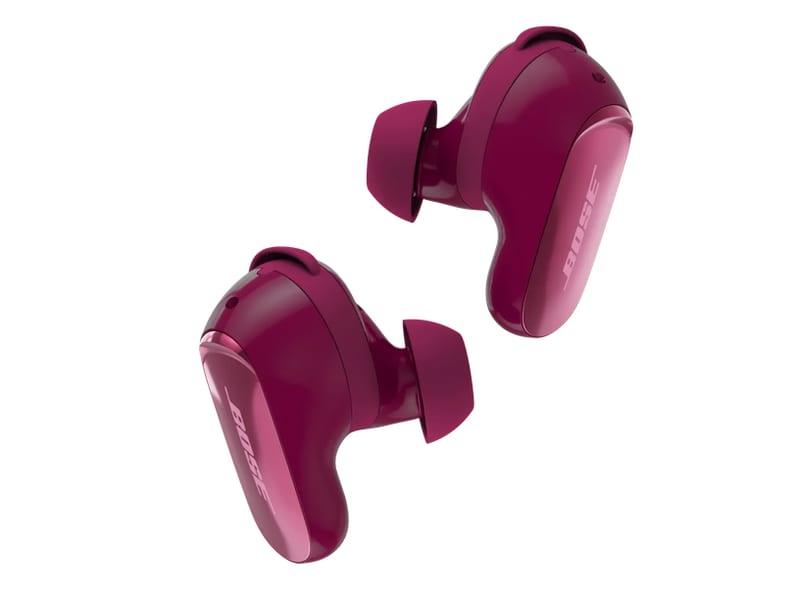
Next, consider sound. If you do not want a separate soundbar, the premium European models are among the best-sounding TVs available. For budget sets, plan to add external audio; our Bose review covers headphones for late-night viewing without waking the house.
Then check the room. OLEDs look best in dim rooms; very bright living rooms favor a brighter TV.
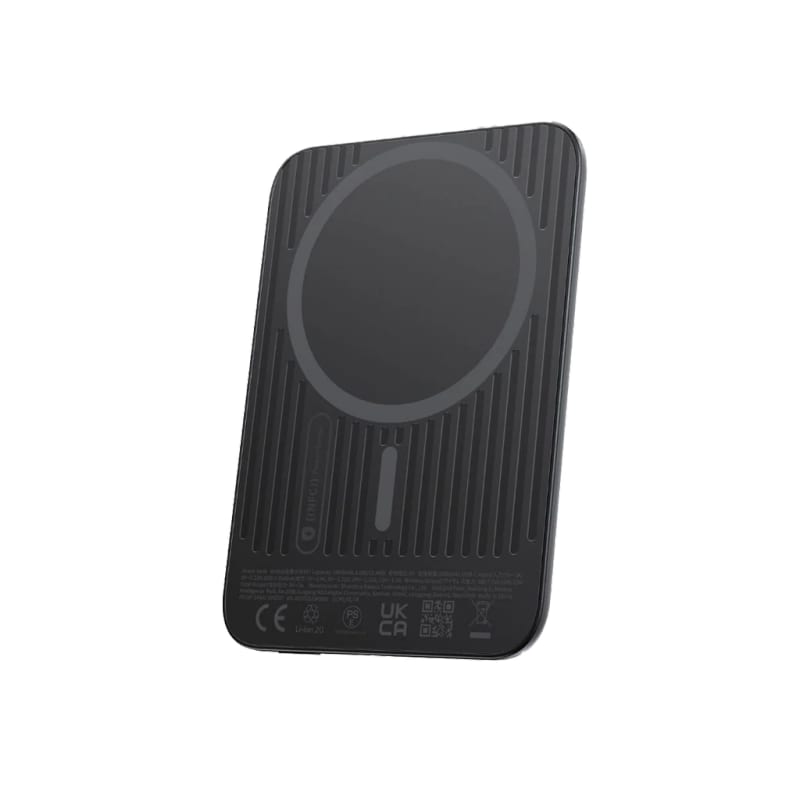
Finally, think about the extras around your setup. A good power bank or charger keeps remotes, controllers and phones topped up: see our Anker review and Baseus review.
Pros and cons
Pros
- Premium European OLEDs with excellent picture and sound
- Ambilight adds a unique viewing experience
- US models are affordable with modern gaming features
- Three-year warranty on some US OLED models
Cons
- US and European ranges are made by different companies
- Poor owner reviews on US budget TVs
- Premium models cost more than rival OLEDs
- New smart platform has no stated update period
Our ratings
Overall: 3.5/5, because Philips' European OLEDs are excellent in FlatpanelsHD testing, but US budget models drag the brand down on reliability.
Philips OLED811
4.5/5. Bright, gaming-ready and great value in FlatpanelsHD testing.
Philips OLED+959
4/5. Superb picture and sound per TechRadar, held back by its price.
Philips 974 Series OLED
3.5/5. A decent budget OLED for dark rooms and gaming per RTINGS, weak in HDR.
Philips 43PUS7608
3/5. Fair value per SmartHomeScope, with limited sound and motion.
FAQ
Are Philips TVs good?
European Philips OLEDs are excellent and rival the best from LG and Sony. US Philips TVs are budget models made under license, with good value but weaker reliability.
Why are Philips TVs so cheap in the US?
The US range is made by Skyworth under license and positioned as budget sets, focusing on value rather than flagship performance.
Which is better, LG or Philips?
LG is generally the stronger choice in the US, with brighter and more advanced TVs. In Europe, premium Philips OLEDs compete closely with LG and add Ambilight and better built-in sound.
Do Philips TVs last?
Reports are mixed. Premium European models are well built, while many owner complaints about US models describe failures within a few years.
What are the advantages of Philips TVs?
Ambilight, strong built-in sound on premium models, wide viewing angles and good value on budget sets.
What are the disadvantages of Philips TVs?
Inconsistent reliability on US models, weaker sound on budget sets, and premium prices on European flagships.